Handling hazardous household waste at Merton properties
Posted on 18/06/2026
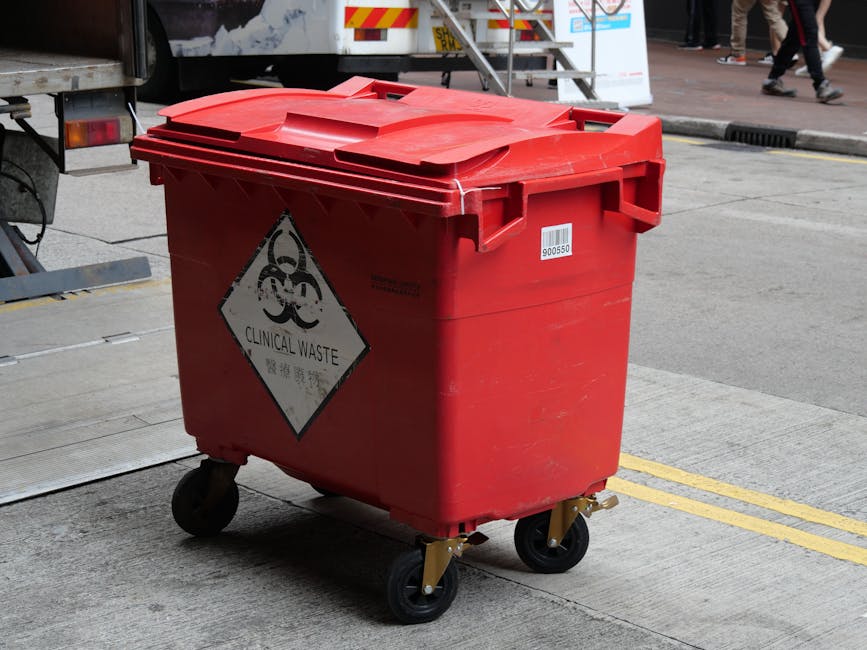
Handling hazardous household waste at Merton properties: a practical local guide
Hazardous household waste has a way of hiding in plain sight. It turns up in under-sink cupboards, garages, airing cupboards, loft corners, and the back of a shed that has not been opened properly in years. If you are handling hazardous household waste at Merton properties, the challenge is usually not just getting rid of it. It is knowing what counts as hazardous, how to store it safely for a short time, and what to do next without creating a risk to people, pets, or the property itself.
This guide walks through the process in clear, practical terms. We will cover the common items found in local homes, why they matter, the safest way to sort and move them, and the mistakes that tend to cause headaches. If you are preparing a flat for sale, clearing a family home, or just trying to make sense of an awkward mix of old paint, batteries, and broken cleaning products, you are in the right place.
There is a lot of ordinary rubbish people can deal with themselves. Hazardous waste is different. It needs a little more care. Not panic. Just care.
Why Handling hazardous household waste at Merton properties Matters
In a lot of Merton properties, especially older terraces, maisonettes, and long-held family homes, hazardous waste builds up slowly. A half-used tin of paint sits beside rusty white spirit. A cupboard contains old aerosols, a leaky cleaning bottle, some spent batteries, and maybe a fluorescent tube that has been waiting for a better day. That better day rarely arrives.
Handling it properly matters for three simple reasons. First, safety: certain household items can irritate skin, release fumes, or catch fire if stored badly. Second, property protection: leaks and spills can stain floors, damage shelving, or contaminate other items during a clearance. Third, responsibility: many hazardous items should not go into general rubbish, and careless disposal can create problems for whoever handles the waste next.
In practical terms, this comes up a lot during house clearance, probate clearances, rental voids, and end-of-tenancy tidy-ups. A quick sort at the start can save a lot of time later. It also helps if you are arranging wider clear-out work such as house clearance in Merton or broader waste removal, because the hazardous items can be separated before the main load is dealt with.
The simplest rule is a useful one: if it can burn, leak, sting, fume, or react, treat it with extra caution until you know what it is.
That does not mean every awkward item is dangerous in the same way. It just means you should not lump everything together and hope for the best. To be fair, that is how people end up with a soggy box of chemicals in the back of the boot and a very bad smell by the time they reach home.
How Handling hazardous household waste at Merton properties Works
The process is usually straightforward once you break it down. Think of it in stages: identify, separate, secure, and arrange proper disposal or collection.
Start by identifying likely hazardous items. Common examples in homes include old paint and varnish, solvents, pesticides, bleach, strong cleaners, car fluids, batteries, fluorescent tubes, smoke alarms, certain adhesives, aerosols, and some electrical items with damaged components. Some are obviously troublesome. Others are only hazardous because of what is inside them or because they are damaged.
Then separate them from ordinary waste. Do not let a leaking bottle sit next to cardboard, fabrics, or soft furnishings. Keep sharp objects and broken glass apart too. If you are sorting a relative's belongings, it helps to do this room by room. If you are handling a wider estate, the guidance in managing a relative's estate items can be useful for keeping decisions organised and less overwhelming.
After that, secure the items in a safe place away from heat, children, and pets. A cool, dry corner of a garage may be enough for a short time, but only if the items are stable, sealed, and not likely to spill. Never decant chemicals into food containers. It sounds obvious, but this kind of shortcut is exactly the thing that causes confusion later. Label everything if the original label is missing and you still know what it is.
Finally, arrange the right route for disposal. In some cases, a specialist collection is the cleanest option. In others, items may need to be taken separately from the rest of the clearance load. If the job includes larger mixed waste, a service such as rubbish collection in Merton may be useful for the non-hazardous bulk, while the hazardous items are managed more carefully.
The key thing is not to rush. One tidy pass can prevent three messes later.
Key Benefits and Practical Advantages
Doing hazardous waste properly is not just about staying on the right side of common sense. It brings real practical benefits, especially in Merton homes where space is tight and clearances are often time-sensitive.
- Reduced risk of spills and exposure: Keeping chemicals and contaminated items separate lowers the chance of accidental contact.
- Cleaner, faster clearances: Sorting early makes the rest of the removal work simpler and less messy.
- Better protection for the property: Floors, storage areas, and outbuildings are less likely to be stained or damaged.
- More straightforward handover: This matters during a sale, move, probate clearance, or rental turnaround.
- Lower chance of fly-tipping or misuse: Hazardous items left in the wrong place can create problems for neighbours and the wider area.
There is also a less obvious benefit: peace of mind. Once the hazardous items are identified and dealt with, the rest of the job feels lighter. You can actually see progress. That matters more than people think, especially during stressful moves or after a bereavement.
If your property work is tied to selling or investing, it can help to read the broader local context in selling real estate in Merton and investing in Merton properties. A cleaner, safer property is easier to present, easier to inspect, and simply easier to manage.
Who This Is For and When It Makes Sense
This topic is relevant to more people than you might expect. You do not need to be dealing with a major renovation or a dramatic house clearance for hazardous waste to matter.
It makes sense if you are:
- clearing a family home after a move or bereavement;
- preparing a property for sale or letting;
- emptying a loft, shed, garage, or understairs cupboard;
- sorting old decorating materials after a DIY project;
- dealing with a rental property that has accumulated left-behind items;
- managing mixed waste during a refurbishment or estate clearance;
- trying to reduce fire or spill risk in a busy household.
Merton has a mix of housing types, and that matters. Flats may have limited storage and little room to keep anything aside safely. Larger houses may have older products tucked away for years. Garden sheds can contain everything from weed killer to old fuel containers. In busy neighbourhoods like Wimbledon, Raynes Park, Morden, or Colliers Wood, properties often get cleared in stages, and hazardous items are one of the first things worth isolating.
If you are handling a deceased relative's property, the process can feel oddly delicate. You are making judgement calls about what is waste, what is valuable, and what needs extra care. That is one reason a structured approach helps so much.
Step-by-Step Guidance
Here is a practical way to handle hazardous household waste without turning the whole day into a drama.
- Walk the property slowly. Check kitchens, utility rooms, bathrooms, garages, sheds, lofts, cupboards, and any hidden storage.
- Set aside anything questionable. If the label is faded, the lid is loose, or the contents smell unusual, isolate it first.
- Group items by type. Keep liquids with liquids, batteries with batteries, bulbs with bulbs, and chemicals away from absorbent materials.
- Inspect for damage. Look for swelling, leaks, rust, cracked casings, and signs of heat exposure.
- Use protective basics. Gloves are sensible. Good ventilation is sensible too. You do not need a lab coat, thankfully.
- Seal and label. Use the original container where possible. If not, keep the item contained and clearly identified.
- Keep away from traffic areas. A stable, shaded spot is better than somewhere people will keep knocking into.
- Plan the disposal route. Decide what is going with a specialist collection, what can go separately, and what should stay put until a proper solution is arranged.
If the wider clearance is urgent, look at timings carefully. Same-day work can be possible for some waste types, and the expectations around quick turnaround are worth understanding before you book. The article on urgent same-day rubbish removal in Merton is a helpful companion read for that side of the process.
One small but useful detail: keep the items visible while you are sorting. People often place them in a box too early and forget what is inside. Then the box gets sealed, stacked, and becomes a mystery. A slightly annoying mystery, usually.
Expert Tips for Better Results
A few practical habits make a big difference when you are dealing with hazardous waste in domestic settings.
Work from the safest item first
If you see a damaged container or a leaking bottle, move that one to the top of your list. Do not build a tidy pile around the risky item. Deal with the awkward one first, then the rest becomes much easier.
Do not mix unknown substances
This is one of the most important points. Mixing cleaners, solvents, or old chemical residues can create fumes or reactions. If you cannot identify it, keep it separate. Unknown plus unknown is not a clever shortcut.
Separate liquid and solid waste
Liquids are the most likely to leak during transport. Solids like batteries, light bulbs, or cartridges need different handling. Putting everything into one bag might feel efficient, but it often creates more work later.
Use the wider clearance to your advantage
When a home is being cleared in stages, hazardous waste should be pulled out early, not left until the end when everyone is tired. If the property also has bulky rubbish or old furniture, it can be useful to pair the hazardous sorting with a more general collection plan, such as waste removal in Merton or a more specialist approach like house clearance support.
Keep a simple inventory
A short written list is enough. "3 half-used paint tins, 2 aerosols, 1 tub of weed killer, 4 batteries, 1 fluorescent tube." That kind of note saves confusion later and helps whoever is dealing with disposal understand what they are collecting.
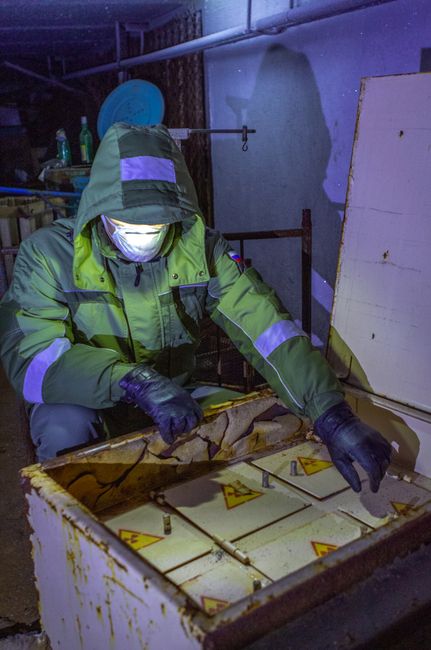
Common Mistakes to Avoid
Most problems with hazardous household waste are avoidable. The trouble is that the mistakes feel small at the time.
- Putting hazardous items into general rubbish: This is the obvious one, but it still happens when people are in a rush.
- Storing leaking items with valuables: One spill can ruin paperwork, fabrics, tools, or flooring.
- Using open cardboard boxes for liquids: Cardboard is fine for a lot of things. Not so great for chemicals that seep.
- Stripping labels off bottles: If the item is still identifiable, keep the label on.
- Leaving batteries loose in drawers or bags: They can short if they contact each other or metal objects.
- Assuming every old product is harmless because it is old: Age does not make a chemical safer. Sometimes the opposite.
- Waiting until the last minute: This is how a tidy-up turns into an urgent scramble on the morning of a move.
Fly-tipping is another risk worth mentioning. In a hurry, people sometimes dump awkward items where they should not. Aside from being unpleasant, it can create real trouble for a property and the surrounding street. If that is already part of the problem, dealing with flytipping in Colliers Wood offers a useful local angle.
Truth be told, the biggest mistake is usually not the bad item itself. It is the assumption that someone else will sort it out later.
Tools, Resources and Recommendations
You do not need specialist equipment for every domestic job, but a few simple tools help a lot.
- Disposable or reusable gloves: Useful for handling dusty containers, broken packaging, or dirty outdoor waste.
- Sturdy plastic tubs or trays: Better than flimsy bags for items that may leak or tip.
- Labels or masking tape: Handy for identifying unknown but contained items.
- Marker pen: For noting content, room location, or any warning detail.
- Old towels or absorbent material: Helpful if a sealed item starts to sweat or leak slightly in storage.
- Torch: Very useful in lofts, sheds, and under-sink areas where things tend to get missed.
On the service side, it helps to read through a provider's general information before booking. Pages like services overview, pricing and quotes, about us, and insurance and safety are the sort of pages that should answer the practical questions you actually care about: what happens, how safe is it, and how is the work handled.
If the property also includes outside areas, garden stores, or older outdoor chemicals, a related page like garden waste removal in Merton can be relevant too, especially where garden chemicals or contaminated packaging are part of the mix.
And if you are doing the work because a property sale is moving quickly, it can be worth revisiting local context through a local view of life in Merton. Not because it explains waste handling directly, but because it reminds you how varied the housing stock and property needs can be here.
Law, Compliance and Best Practice
This is the section where caution matters. Hazardous household waste is not something to treat casually, and while domestic situations are often simpler than commercial ones, the basic principles remain the same: identify waste correctly, avoid mixing materials, and use lawful disposal routes.
In the UK, householders are generally expected to dispose of waste responsibly and avoid placing unsuitable materials into regular bins. Certain items, especially chemicals, batteries, oils, and electrical items, need particular care. If a property is managed by a landlord, agent, executor, or anyone acting on behalf of someone else, there may also be practical duties around safety, documentation, and keeping the site in a reasonable condition.
Best practice means keeping a clear record of what was found, what was separated, and what was removed. It also means not guessing. If you do not know what a product is, do not combine it with anything else. If a container is damaged, treat it as unstable. If there is any sign that waste may contaminate other items, isolate the area.
Another sensible standard is to keep transport secure. Items should not move around in the vehicle, topple over, or sit next to soft furnishings and cardboard where a leak can spread. The whole point is to reduce risk, not relocate it.
For service-related confidence, it is worth checking operational pages such as payment and security and privacy policy when you are choosing who to work with, because trust is not just about waste handling. It is also about how the company treats your information and the booking process.
Options, Methods, or Comparison Table
There is more than one way to deal with hazardous household waste, and the right choice depends on volume, urgency, and the condition of the items. Here is a simple comparison.
| Method | Best for | Pros | Watch-outs |
|---|---|---|---|
| Short-term safe storage | Very small quantities while waiting for a fuller clearance plan | Low effort, keeps items contained, buys time | Only suitable if the items are sealed and stable |
| Separate handling during a house clearance | Mixed domestic clearances with a few hazardous items | Efficient, reduces confusion, works well with larger clearances | Needs careful sorting at the start |
| Specialist collection for awkward items | Leaking, bulky, damaged, or numerous hazardous items | More controlled, less hassle for the homeowner | May need pre-sorting and clear item descriptions |
| General rubbish removal for non-hazardous waste only | When most of the load is ordinary household waste | Fast and practical for the bulk of the job | Hazardous items must be removed first |
In real life, many Merton properties need a combination of these methods. A few paint tins may be stored briefly, the rest of the house cleared normally, and the awkward items handled separately. That blend is often the neatest answer. Not glamorous, but effective.
For people comparing wider clearance choices, a useful supporting page is where to dispose of old mattresses in Merton affordably. It is not about hazardous waste directly, but it is a good example of the kind of practical disposal decision many homeowners face during the same project.
Case Study or Real-World Example
Picture a typical semi-detached home in Morden. The owners are preparing it for sale after living there for decades. The loft contains boxes of Christmas decorations, old paperwork, an aerosol stash from various decorating jobs, and a few tins of paint that have clearly outlived their use. The garage is worse: a cracked bottle of weed killer, some motor oil, a broken lamp, and a stack of general clutter that has settled into a kind of domestic ecosystem.
The sensible approach is not to start pulling everything out at once. First, the hazardous items are separated and checked. The cracked bottle is isolated. The tins of paint are kept upright and labelled. Batteries are gathered into a small container. Ordinary rubbish is then split off from reusable or recyclable items. Only after that does the rest of the clearance begin.
The result? Less mess, less confusion, and no unexpected leak across the floorboards. The house feels calmer almost immediately. You can hear the change, actually. Less clatter. Less random thud of old things being shifted. More space to work.
This kind of staged approach is especially useful when the wider job involves probate or relocation. If that is your situation, estate clearance tips for Morden homes is a helpful companion article for thinking about the broader process, not just the hazardous items.
Practical Checklist
Use this as a quick field guide before you start moving anything around.
- Check kitchens, garages, sheds, lofts, bathrooms, and under-sink cupboards.
- Identify likely hazardous items: paints, aerosols, solvents, batteries, oils, pesticides, strong cleaners, bulbs, and damaged electrical items.
- Keep unknown substances separate.
- Do not mix liquids, powders, and sharp objects together.
- Use gloves and keep the area ventilated.
- Leave items in their original containers where possible.
- Label anything that is not obvious.
- Store items away from heat, children, and pets.
- Plan the disposal route before the rest of the clearance gets underway.
- Keep a simple inventory of what was found.
- Separate hazardous waste from ordinary rubbish and recyclables.
- Ask for help if there are leaks, fumes, damaged containers, or large quantities.
Expert summary: the safest approach is usually the simplest one. Identify early, separate clearly, store briefly, and remove through the right route. That combination avoids most of the common problems and keeps the property easier to manage.
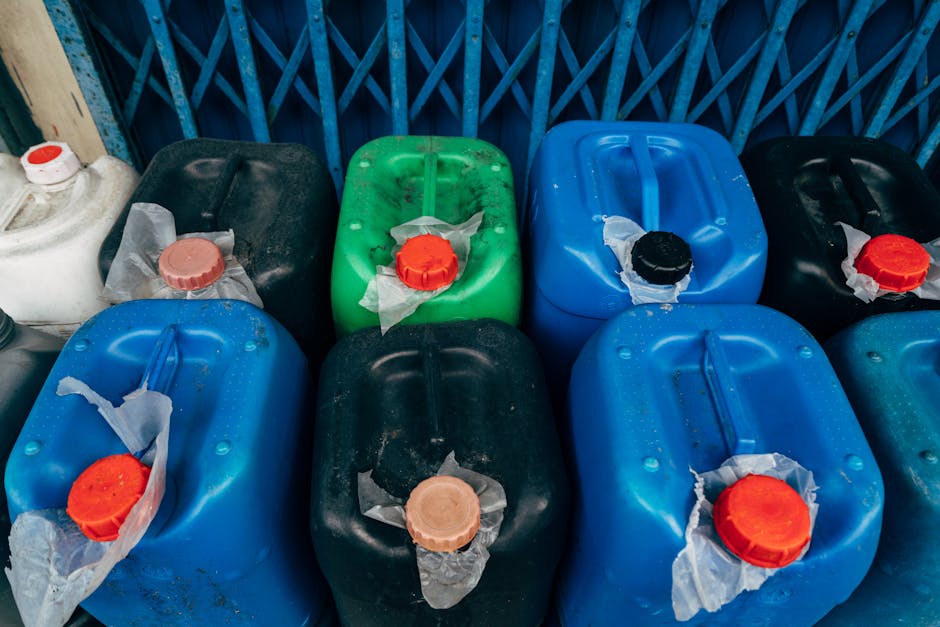
Conclusion
Handling hazardous household waste at Merton properties is one of those jobs that looks small until you are standing in front of three half-full containers, a leaking bottle, and a tight deadline. Then it becomes very real, very quickly.
The good news is that the process does not need to be complicated. A careful sort, a little restraint, and the right disposal route are usually enough. Whether you are clearing a flat, preparing a family house for sale, or dealing with the leftovers of years of ordinary life, the same principles apply: keep it separate, keep it safe, and do not rush the awkward bits.
If you are planning a wider clearance or want a smoother handover, it can help to compare your options and get the practical details sorted early. A few minutes of good organisation now can save you hours later, and honestly, that is a very decent trade.
Get a free quote today and see how much you can save.
Take it one room at a time, keep the awkward items in sight, and the whole job becomes more manageable than it first looks.

Copyright © . House Clearance Merton. All Rights Reserved.